Understanding Nutritional Choices and Body Weight
An independent educational resource exploring the science behind everyday food decisions and their relationship with energy balance and excess weight.
Educational content only. No medical services. No promises of outcomes.
Explore the Science
Choice and Energy Balance
The Fundamental Principle
Energy balance represents the relationship between energy consumed through food and beverages and energy expended through bodily functions and physical activity. This fundamental principle of thermodynamics applies to all biological systems.
Daily nutritional choices contribute to this balance through the selection of foods with varying energy densities, macronutrient compositions, and portion sizes. Research in metabolic science demonstrates that the cumulative effect of these decisions influences body weight over time.
The concept of choice in nutrition extends beyond simple caloric arithmetic. It encompasses factors such as food quality, nutrient timing, meal frequency patterns, and the physiological responses triggered by different macronutrient ratios.
Learn About Nutrient PatternsNutrient Selection Patterns
Macronutrient Distribution

The three primary macronutrients—carbohydrates, proteins, and fats—each play distinct roles in human metabolism. Carbohydrates serve as the body's preferred immediate energy source, proteins function as structural and enzymatic components, while fats provide concentrated energy and support cellular functions.
Research in nutritional biochemistry indicates that different macronutrients elicit varying metabolic responses. For instance, protein exhibits a higher thermic effect of food compared to carbohydrates or fats, meaning more energy is expended during its digestion and absorption.
The distribution of these macronutrients across daily food selections influences satiety signals, hormonal responses, and metabolic rate fluctuations. Studies published in peer-reviewed journals have documented how protein-rich food choices may promote greater feelings of fullness compared to equivalent caloric amounts from other sources.
Micronutrient Considerations
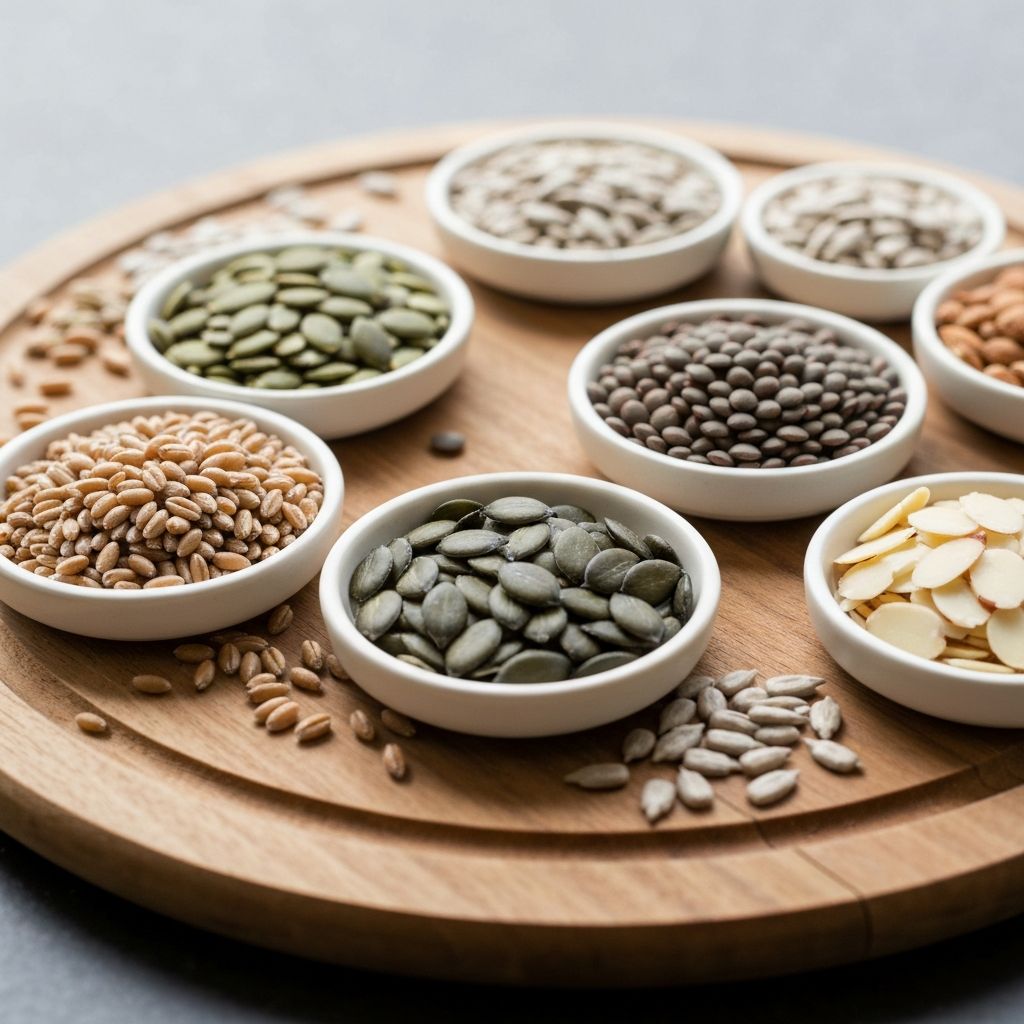
Vitamins and minerals, while required in smaller quantities than macronutrients, are essential for numerous physiological processes. These micronutrients participate in energy metabolism, cellular repair, immune function, and countless enzymatic reactions.
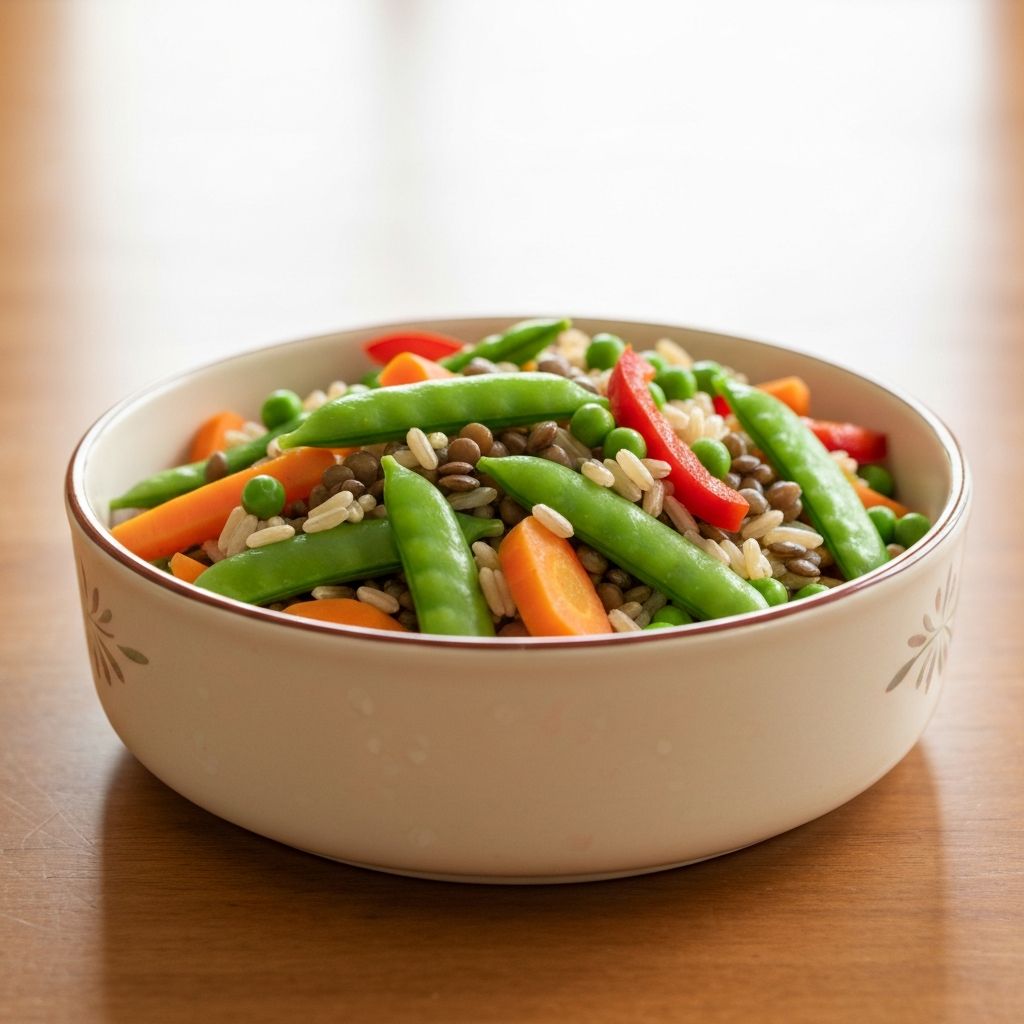
Food choices that prioritize nutrient-dense options—those providing substantial vitamins and minerals relative to their energy content—support optimal metabolic function. Vegetables, fruits, whole grains, and legumes exemplify such choices.
The quality of nutritional choices extends beyond mere energy provision. Selecting foods rich in fibre, for example, influences digestive transit time, glucose absorption rates, and gut microbiome composition—factors that collectively affect metabolic health.
Key Research Areas
- Energy Density: The concentration of calories per gram of food affects satiety and total intake patterns.
- Glycemic Response: Different carbohydrate sources produce varying blood glucose patterns.
- Satiety Mechanisms: Protein and fibre content influence feelings of fullness.
- Nutrient Timing: The temporal distribution of food intake may affect metabolic responses.
Myths Around Food Decisions
Myth: Certain foods possess unique weight reduction properties
Context: No single food possesses inherent properties that cause body mass reduction independent of overall energy balance. While some foods may support satiety or have modest thermogenic effects, weight changes fundamentally reflect the relationship between energy intake and expenditure.
Myth: Eating after specific times inevitably leads to weight gain
Context: Research indicates that total daily energy intake matters more than meal timing for most individuals. While circadian rhythms do influence metabolism, the time of eating is generally less significant than the quantity and quality of food consumed.
Myth: Carbohydrates universally cause excess weight
Context: Carbohydrates represent a diverse macronutrient category encompassing refined sugars, whole grains, fruits, and vegetables. The type, quantity, and context of carbohydrate consumption—rather than carbohydrates per se—influence metabolic outcomes and body composition.
Myth: Frequent small meals accelerate metabolism significantly
Context: Studies comparing different meal frequency patterns while controlling for total energy intake have found minimal differences in metabolic rate. The thermic effect of food remains relatively constant regardless of whether calories are distributed across three or six meals.
Digestion in Context of Choices
Digestive Processes and Nutrient Absorption
The digestive system transforms the foods we select into absorbable nutrients through mechanical and chemical processes. This complex system begins with mastication and continues through enzymatic breakdown in the stomach and small intestine.
Different food choices require varying digestive efforts. Whole foods with intact cellular structures, high fibre content, and complex molecular arrangements typically require more digestive work compared to highly processed alternatives. This extended digestive process influences satiety duration and energy expenditure.
The gut microbiome, a vast community of microorganisms residing in the digestive tract, plays an increasingly recognized role in nutrient metabolism. Research suggests that habitual food choices shape this microbial population, which in turn influences energy harvest from food and metabolic signalling.

Plant Foods Selection

Characteristics of Plant-Based Options
Plant-derived foods—including vegetables, fruits, legumes, whole grains, nuts, and seeds—generally exhibit lower energy density compared to many animal-based and processed foods. This characteristic means they provide fewer calories per unit volume, potentially supporting satiety without excessive energy intake.
These foods typically contain substantial fibre, a type of carbohydrate that resists digestion in the small intestine. Dietary fibre contributes to feelings of fullness, slows gastric emptying, and serves as a substrate for beneficial gut bacteria.
Epidemiological studies have consistently associated higher consumption of whole plant foods with healthier body weight patterns across populations. However, these observational findings reflect associations rather than isolated causal relationships, as dietary patterns coexist with numerous other lifestyle factors.
Movement Around Daily Choices

Physical Activity and Energy Expenditure
Physical activity represents the most variable component of total daily energy expenditure. While food choices determine energy intake, movement patterns significantly influence the expenditure side of the energy balance equation.
Activity-related energy expenditure encompasses structured exercise, occupational activities, and non-exercise activity thermogenesis—the energy expended during daily living activities outside formal exercise.
Research demonstrates that both food selection and physical activity patterns independently contribute to body weight regulation. The interaction between these factors is complex, as activity levels may influence appetite signals and food preferences, while dietary patterns can affect energy availability for physical performance.
It is important to note that exercise alone, without attention to energy intake, typically produces modest weight changes. The synergy between thoughtful nutritional choices and regular physical activity appears more significant than either factor in isolation.
Hydration Decision Factors
Fluid Intake and Metabolic Function
Water constitutes approximately 60% of body weight and participates in virtually every physiological process. Adequate hydration supports nutrient transport, temperature regulation, waste elimination, and cellular function.
Beverage choices contribute significantly to total energy intake in many populations. Sugar-sweetened beverages provide energy without the satiety signals typically associated with solid foods, potentially leading to passive overconsumption of calories.
Research indicates that replacing caloric beverages with water or other non-caloric drinks represents one observable pattern associated with reduced energy intake. Additionally, drinking water before meals may promote modest increases in satiety.

Frequently Asked Questions
What is the purpose of this resource?
This website provides educational information about the scientific principles underlying nutritional choices and their relationship to body weight. It explains concepts, describes research findings, and offers context—but does not provide personal advice or recommendations.
Is this information applicable to everyone?
The content describes general scientific principles and research findings. Individual circumstances vary widely based on genetics, medical conditions, activity levels, and numerous other factors. This resource does not replace personalized guidance from qualified health professionals.
Does this site recommend specific dietary approaches?
No. This resource explains various nutritional concepts and research findings without advocating for particular dietary patterns. Many different approaches to eating can support health, and individual needs differ substantially.
How should I interpret the information presented here?
The content should be understood as educational background information about nutrition science. It is designed to enhance understanding of nutritional concepts, not to guide personal decisions. For individual guidance, consult qualified professionals familiar with your specific circumstances.
Are the scientific claims referenced here accurate?
The information presented reflects established principles in nutrition science and metabolism as of January 2026. However, scientific understanding continually evolves as new research emerges. This resource provides general educational content rather than comprehensive scientific review.
Limitations and Context
- This website provides general educational information about nutrition science and does not constitute medical, nutritional, or health advice.
- The content describes scientific principles and research findings without making individual recommendations or promises of outcomes.
- Decisions about eating patterns, physical activity, and health management are personal and should be made in consultation with qualified professionals.
- Individual circumstances vary significantly—what represents appropriate choices for one person may differ substantially for another.
- This resource exists solely for educational purposes and does not replace professional guidance tailored to your specific needs and situation.
Continue Exploring
Discover more about the science behind nutritional decisions and metabolic processes.